

Streamlining Nonprofit Operations with Nonprofit Templates Usage
- Jessica O.

- Apr 9
- 4 min read
Running a nonprofit organization means juggling many tasks at once. From managing volunteers to handling finances and ensuring compliance, the workload can be overwhelming. But what if you could simplify many of these tasks? That’s where nonprofit templates come in. Using templates can save you time, reduce errors, and help your team stay organized. In this post, I’ll share how nonprofit templates usage can transform your operations and make your organization more effective.
Why Nonprofit Templates Usage Matters
Templates are more than just pre-made documents. They are tools designed to standardize processes and improve efficiency. When you use templates consistently, you create a reliable system that everyone on your team can follow. This consistency helps reduce confusion and speeds up routine tasks.
For example, imagine you need to draft a grant proposal. Without a template, you might start from scratch each time, wasting valuable hours. But with a grant proposal template, you have a clear structure to fill in, ensuring you don’t miss important details. This approach applies to many areas, including budgeting, volunteer management, and event planning.
Using templates also supports better communication. When everyone uses the same format, it’s easier to share information and collaborate. Plus, templates can help new team members get up to speed quickly by providing clear guidelines.

Key Areas Where Nonprofit Templates Usage Can Help
To get the most out of templates, focus on the areas that impact your nonprofit’s daily operations and long-term success. Here are some essential areas where templates can make a big difference:
1. Administrative and Operational Documents
Templates for meeting agendas, minutes, and reports keep your team aligned. They ensure that meetings are productive and that decisions are documented clearly. You can also use templates for task lists and project plans to track progress and assign responsibilities.
2. Financial Management
Budget templates, expense reports, and donation tracking sheets help maintain financial transparency and accuracy. These templates make it easier to prepare for audits and generate financial statements that funders expect.
3. Fundraising and Grant Writing
Fundraising plans, donor thank-you letters, and grant proposal templates streamline your fundraising efforts. They help you maintain professionalism and consistency in your communications, which builds trust with supporters.
4. Volunteer Coordination
Volunteer sign-up forms, schedules, and feedback surveys ensure smooth volunteer management. Templates help you keep track of volunteer hours and gather valuable input to improve their experience.
5. Policies and Procedures
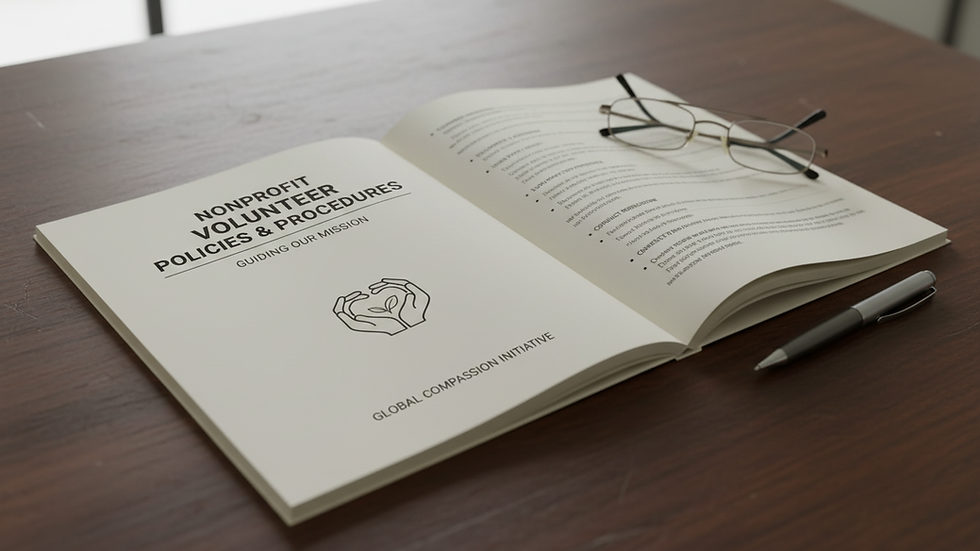
Having clear policies and procedures is critical for compliance and governance. A nonprofit policies and procedures template can guide you in creating documents that protect your organization and clarify expectations for staff and volunteers.
How to Implement Nonprofit Templates Effectively
Simply having templates is not enough. You need a strategy to integrate them into your daily workflow. Here’s how you can do it:
Step 1: Identify Your Needs
Start by listing the most common documents and processes in your organization. Which tasks take up the most time? Where do mistakes happen most often? This assessment will help you prioritize which templates to create or adopt first.
Step 2: Customize Templates to Fit Your Organization
Templates should reflect your nonprofit’s unique mission and culture. Customize language, branding, and sections to make them relevant. Avoid generic templates that don’t address your specific needs.
Step 3: Train Your Team
Introduce the templates to your staff and volunteers. Explain their purpose and how to use them. Provide examples and encourage questions. Training ensures everyone understands the benefits and uses the templates correctly.
Step 4: Make Templates Easily Accessible
Store templates in a shared location, such as a cloud drive or your organization’s intranet. Organize them clearly so team members can find what they need quickly. Consider version control to keep templates up to date.
Step 5: Review and Update Regularly
Templates should evolve as your organization grows. Schedule regular reviews to update content, improve clarity, and incorporate feedback. This keeps your templates relevant and effective.
Overcoming Common Challenges with Templates
You might worry that templates will be too rigid or that your team won’t adopt them. These concerns are valid but manageable.
Flexibility: Design templates with optional sections or notes to allow customization. Encourage users to adapt templates when necessary while maintaining core standards.
Resistance to Change: Involve your team in the template creation process. When people contribute, they feel ownership and are more likely to use the templates.
Keeping Templates Current: Assign a team member to oversee template management. This person can gather feedback and ensure updates happen on schedule.
By addressing these challenges proactively, you can maximize the benefits of nonprofit templates usage.
Empowering Your Nonprofit with Templates
Templates are powerful tools that can transform how your nonprofit operates. They save time, reduce errors, and promote consistency. By embracing nonprofit templates usage, you empower your team to focus on what truly matters - advancing your mission and serving your community.
Start small by introducing a few key templates and build from there. Remember, the goal is to create systems that support your work, not add complexity. With the right approach, templates become your organization’s secret weapon for efficiency and impact.
Take the first step today. Review your current processes and identify where templates can make a difference. Your nonprofit’s future success depends on the systems you build now.



Comments